


Dementia Awareness & Education.

Understanding Dementia and Why Awareness Matters

Dementia is not a normal part of ageing. Understanding how it affects memory, thinking, communication and everyday life helps us replace misconceptions with knowledge, compassion and meaningful support.

Dementia is a term used to describe a group of symptoms caused by diseases that affect the brain. These conditions can influence memory, thinking, language, communication, reasoning and the ability to carry out everyday activities. Alzheimer’s disease is the most common cause of dementia, but other conditions include vascular dementia, dementia with Lewy bodies and frontotemporal dementia.

Dementia affects every person differently. While some people experience difficulties with memory, others may notice changes in concentration, communication, behaviour or decision-making. Symptoms can develop gradually and change over time. Greater awareness helps families, carers and communities recognise these changes, challenge misconceptions and provide understanding and support while respecting each person’s dignity, choices and independence.

Recognising the Signs and Symptoms of Dementia

Changes in Memory and Thinking

Dementia can affect much more than memory. A person may find it difficult to remember recent events, follow conversations, concentrate, plan everyday activities or make decisions that were previously familiar and straightforward.

Common changes may include repeatedly asking the same questions, forgetting recent conversations, losing track of dates or appointments, and finding familiar tasks more difficult to organise. Some people may struggle to follow instructions, find the right words or concentrate on activities they previously managed independently. These changes do not automatically mean someone has dementia. However, when difficulties persist or begin to affect everyday life, it is important to seek advice from a GP.

Changes in Communication, Behaviour and Daily Life

Dementia can affect how a person communicates, understands situations and manages everyday activities. Some people may experience difficulties finding words, following conversations, recognising familiar places or expressing their needs. Changes in mood, confidence and behaviour can also occur.

A person living with dementia may find it difficult to follow conversations, understand instructions or express what they want to say. They may repeat themselves, lose their train of thought or need more time to respond. Changes in mood and behaviour can include increased anxiety, frustration, confusion or withdrawal from social activities. These changes may occur when a person struggles to understand their surroundings or communicate their needs. Everyday activities such as preparing meals, managing appointments, shopping or finding their way around familiar places may gradually become more challenging. Recognising these difficulties and responding with patience, reassurance and understanding can help protect a person's dignity, confidence and independence.

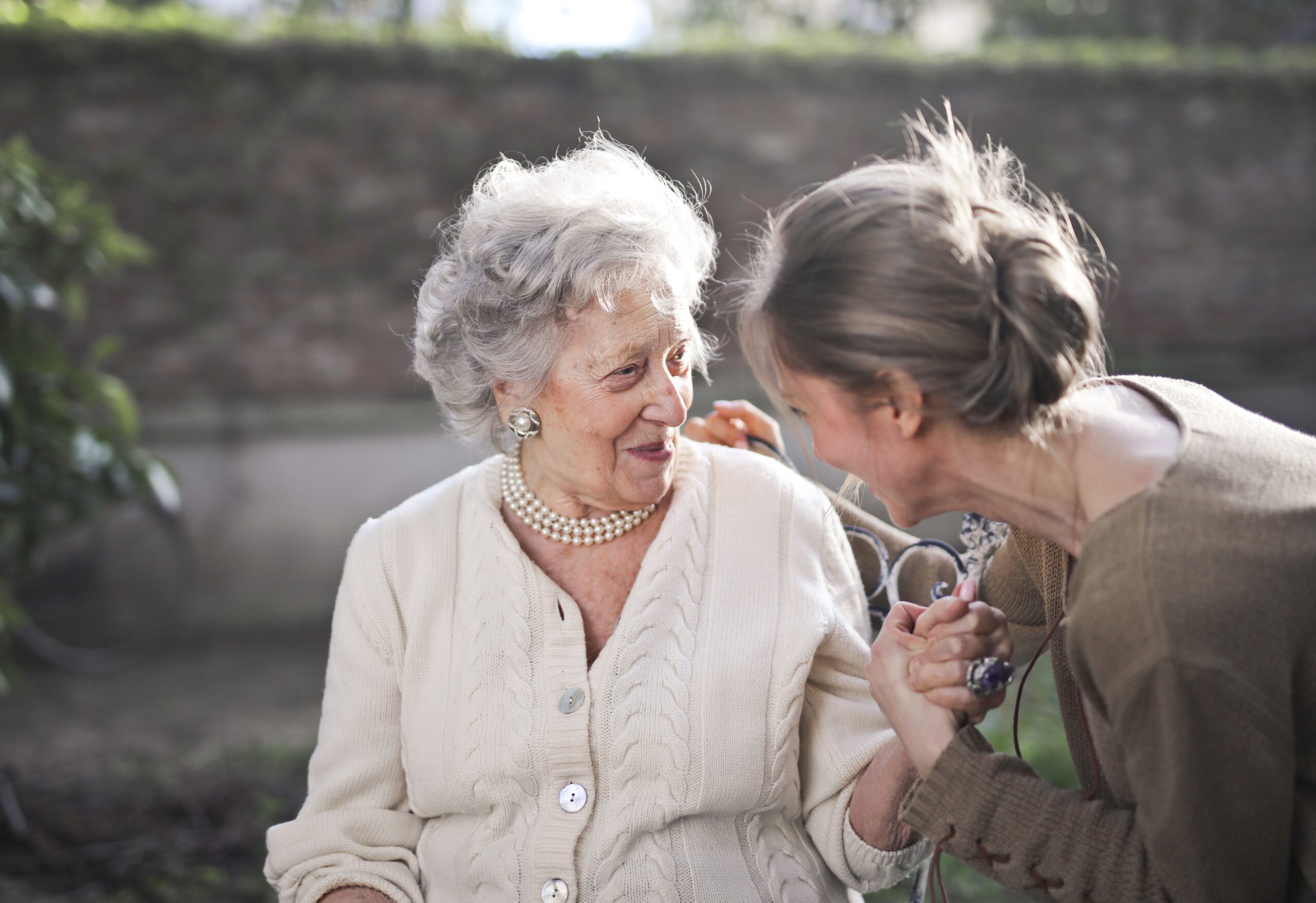
Two older women smiling and enjoying a friendly conversation together outdoors.

Why Dementia Awareness Matters

Dementia awareness plays an important role in creating communities where people living with dementia feel understood, respected and included.

Despite growing public awareness, misconceptions and stigma still surround dementia. Some people mistakenly believe that dementia is simply a normal part of ageing or that a diagnosis means someone can no longer enjoy meaningful relationships, make decisions or participate in community life.

Greater understanding helps challenge these assumptions, encourages earlier recognition of symptoms and supports more compassionate responses from families, friends, neighbours and the wider community.


Reducing Stigma and Promoting Understanding.

One of the greatest challenges facing people living with dementia is the stigma and misunderstanding that can surround the condition. Negative assumptions may cause people to feel embarrassed, excluded or reluctant to seek support.

Raising awareness helps communities recognise that people living with dementia continue to have individual abilities, preferences, feelings and valuable contributions to make. A diagnosis does not take away a person's identity or their right to participate in everyday life.

By encouraging open conversations, sharing accurate information and challenging misconceptions, we can help create environments where people affected by dementia feel accepted, respected and included.

How Dementia Outreach CIC Promotes Awareness

Dementia Outreach CIC is committed to improving understanding of dementia and helping build more inclusive, dementia-friendly communities across Hertfordshire.

Through community education, awareness activities, accessible information and local partnerships, we aim to challenge misconceptions, reduce stigma and encourage greater understanding of the experiences of people living with dementia and those who support them.

Our approach focuses on bringing people together, encouraging open conversations and helping individuals, families and communities access information that supports dignity, inclusion and wellbeing.

Community Education and Awareness Activities

Dementia Outreach CIC aims to improve public understanding of dementia through accessible education, awareness campaigns and community engagement across Hertfordshire. We want to help people recognise the different ways dementia can affect individuals, understand common symptoms and know where to find reliable information and support.

Our planned awareness activities include community information sessions, educational discussions and opportunities for residents, families and unpaid carers to learn more about living well with dementia. We aim to make information accessible, practical and relevant to everyday experiences.

By working with local organisations, community groups, volunteers and healthcare professionals, we hope to reach people who may have limited access to dementia information or feel isolated from existing support networks. Our goal is to encourage informed, compassionate and dementia-friendly communities where everyone feels welcome and included.

Get Involved or Learn More

Whether you're living with dementia, supporting a family member, caring for someone affected by dementia or simply interested in making your community more inclusive, Dementia Outreach CIC would love to hear from you.

We welcome enquiries from individuals, families, unpaid carers, volunteers and local organisations interested in dementia awareness, community activities and partnership opportunities across Hertfordshire.

Together, we can help build communities where people affected by dementia feel understood, valued and connected.